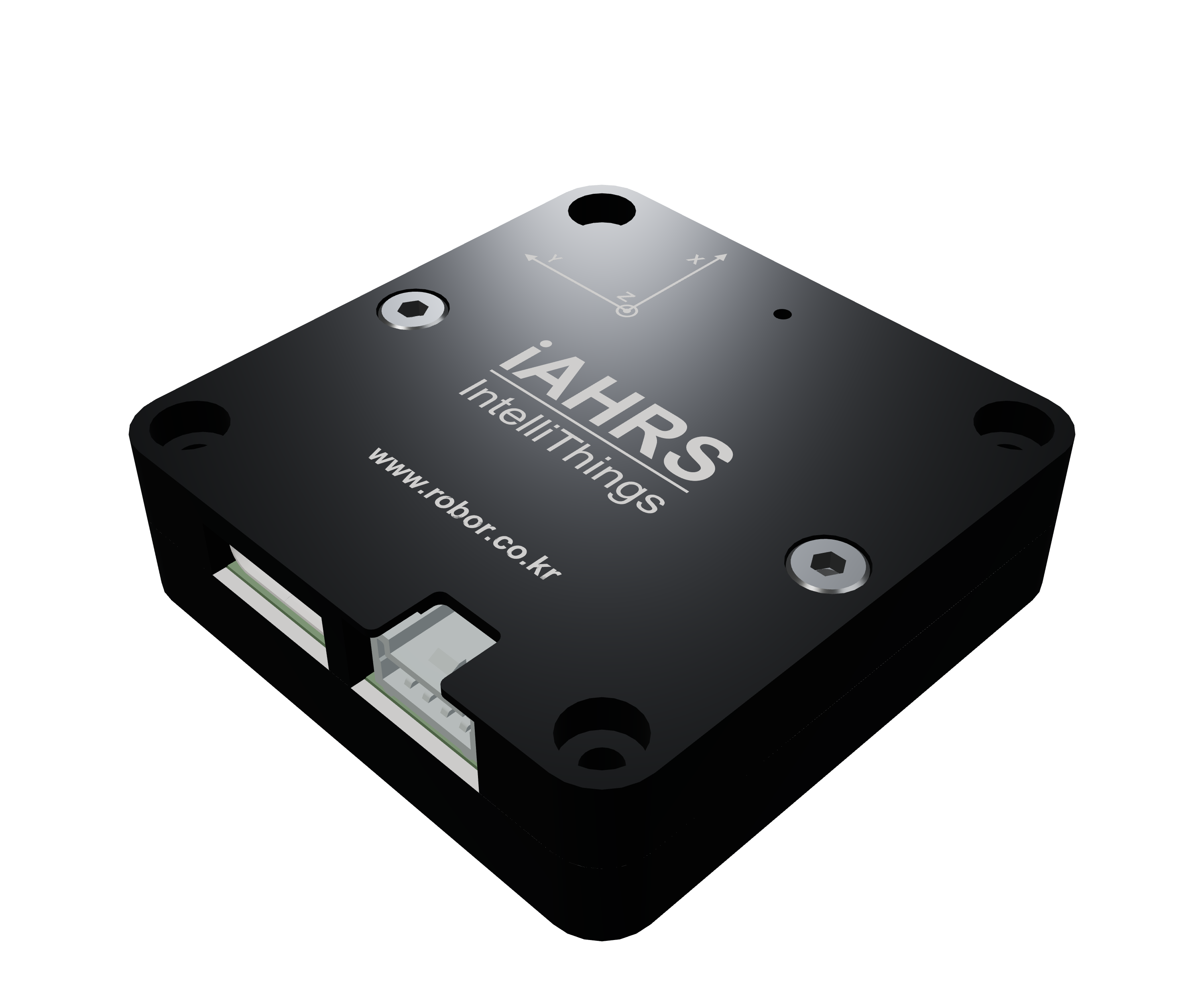
iAHRS-V2
6-axis IMU + 3-axis magnetometer
USB included; choose RS-232 (base), CAN (_1), or RS-485 (_2).
Pre-orders open. See the product page for dates and delivery details.
Specifications and resources →Products / AHRS
ROBOR / ATTITUDE AND HEADING
AHRS (Attitude and Heading Reference System) estimates orientation from inertial and magnetic measurements. ROBOR iAHRS sensors provide attitude data for robot and equipment integration. Start with the required measurements, then choose the sensor platform and host interface.
6-axis IMU + 3-axis magnetometer
USB included; choose RS-232 (base), CAN (_1), or RS-485 (_2).
Pre-orders open. See the product page for dates and delivery details.
Specifications and resources →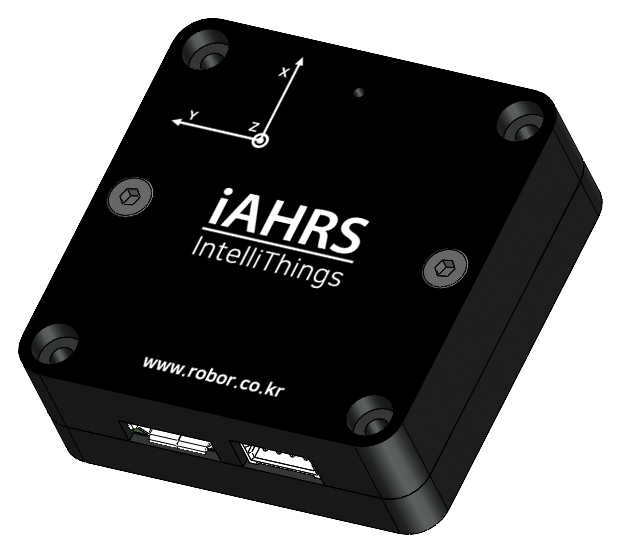
6-axis IMU + 3-axis magnetometer
USB included; choose RS-232 (base), CAN (_1), or RS-485 (_2).
Pre-orders open. See the product page for dates and delivery details.
Specifications and resources →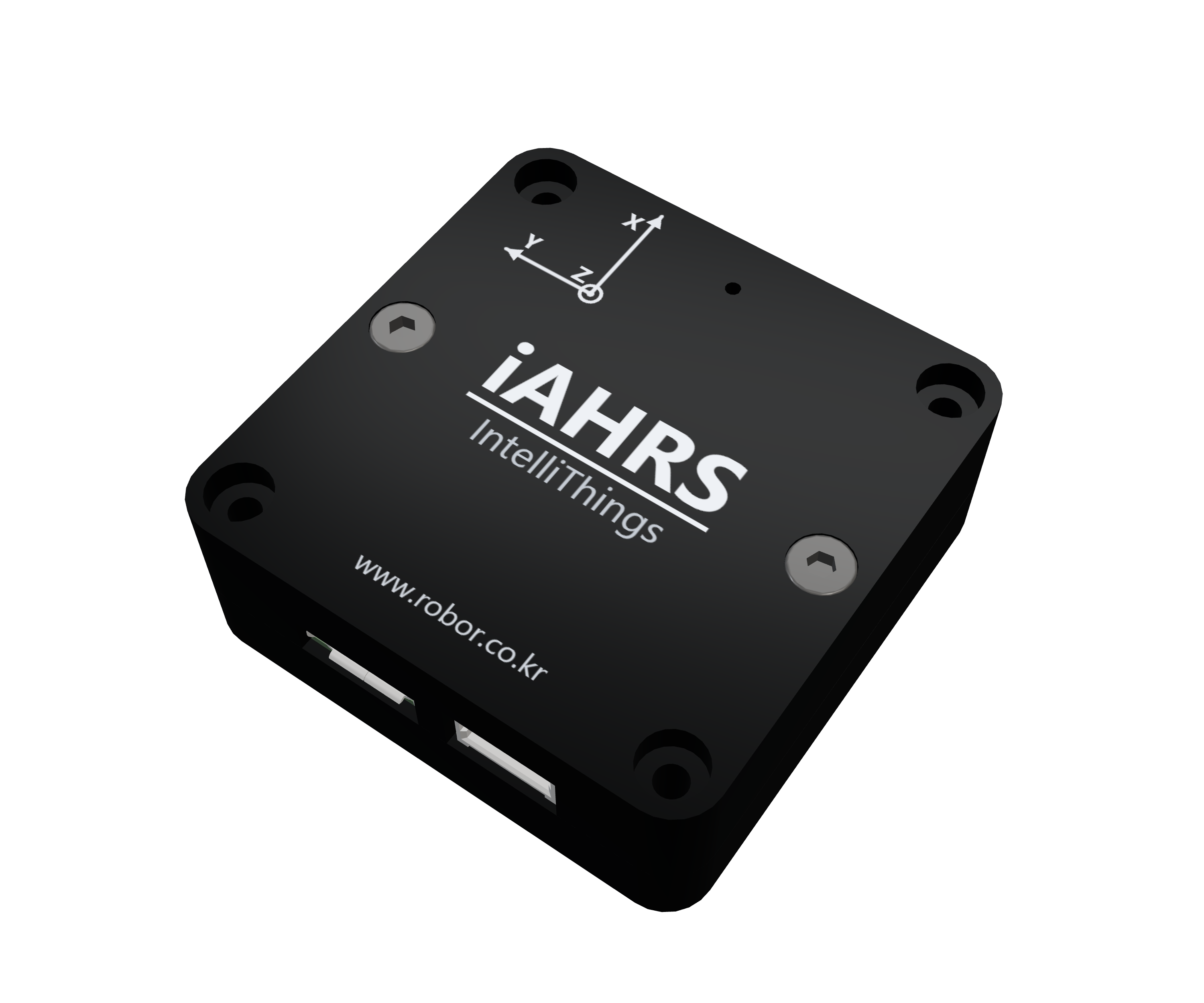
Enclosed AHRS · USB + RS-232
Specifications and resources →
Board-level AHRS · LV TTL UART
Specifications and resources →Compare specifications alongside their test conditions. Measured angle error, stationary variation, filter estimates and display resolution have different meanings.
Performance table and datasheet →For iAHRS V2 and V3, USB is included in every variant. The additional interface depends on the suffix: no suffix means RS-232, _1 means CAN, and _2 means RS-485. These are separate product variants, not three serial interfaces on one device. For example, iAHRS-V3_1 combines the V3 sensor configuration with USB and CAN.
RB-OB-v1 is a separate board-level product with LV TTL UART. Check voltage levels and connector pinouts in its manual before connecting it to a host.
An IMU measures acceleration and angular velocity. An AHRS uses sensor fusion to estimate orientation; heading performance depends on the magnetic environment, calibration and configuration. Orientation sensing alone does not provide GNSS absolute position. For satellite positioning, review the RB-GINS-v1 RTK module separately.
Read the AHRS vs IMU guide → · RTK / RB-GINS-v1 →ROBOR product information and customer manuals. Confirm the exact model, firmware and operating conditions; demonstrations are not measured accuracy guarantees.